
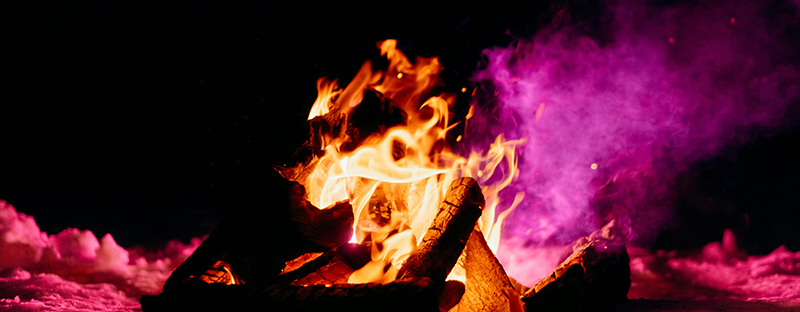
Imagine an autumnal fire-crackle, song and stillness after harvest, a pause between worlds when the veil is thinnest. This time of year seems right for that sort of thing, for divination and feasting and weaving the past and future together. In Finland & Karelia, it was called Kekri.
Kekri was a liminal time of harvest and ancestors. It fell at the end of the agricultural harvest, sometime between Michaelmas (September 29) and All Saints’ Day. People used to go by a lunisolar calendar, and Kekri happened between the lunar and solar years, a period of about 12 days. The veil was thin in this time, and the ancestor spirits moved freely in our world.
Kekri customs: feasts, divination, Kekripukki
Kekri was a different time, with its own behaviours that didn’t always apply in the rest of the year. Only quiet and clean tasks were permitted. Ancestor spirits gathered at the edge of the yard on the evening of the first day of Kekri. They were approached with respect, led to the sauna (of course) with honour. Then, there were feasts to celebrate the harvest and bonfires with loved ones living and dead. People indulged in divination to gauge the weather and next year’s important events. They made lanterns from turnips.
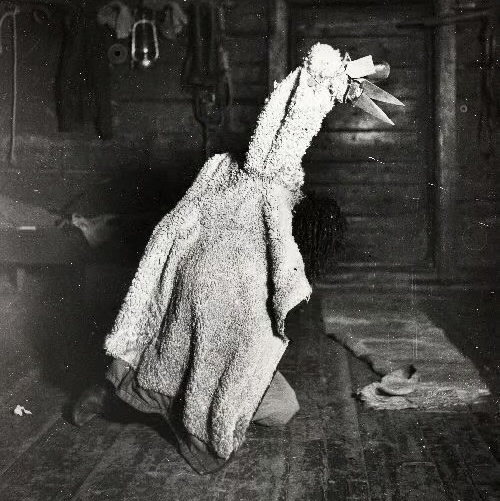
Friends and neighbours dressed up as a kekripukki, or a “Kekri goat,” wearing masks and furs. They came around demanding food and drink. If their demands weren’t met, they might break your stove.
When to celebrate Kekri today
Kekri celebrations mostly faded with urbanization but there are still some celebrations today, like the burning of the straw kekripukki in Kajaani. You may have noticed that Kekri sounds similar to other autumn harvest festivals or even Mari Lwyd and Newfoundland’s mummers closer to Christmastime. Many modern Finns actually prefer Kekri to Halloween, and the date now coincides with All Saints’ Day.
How can you honour the spirit of Kekri, in this liminal time between the two years?
NB: I’ve made every effort to find reliable historical sources for traditions that were often not recorded until much later, if at all. Please keep in mind that I’m not a professional historian, and I’m also limited by English-language sources and the foibles of Google Translate.
Main sources:
- https://en.wikipedia.org/wiki/Kekri_(festival)
- https://web.archive.org/web/20120716232314/http://www.nba.fi/fi/kansallismuseo/tapahtumat/kekri
- https://kekri.fi/in-english/
- https://www.jyu.fi/tdk/museo/kekri_en/kekri2_en.html
- https://www.youtube.com/watch?v=4uPClLwK-mQ
- https://nordicwitchery.wordpress.com/2018/10/08/kekri-harvest-celebration/