Myth | Lore | History

Inside Biringan, the Philippines’ invisible city

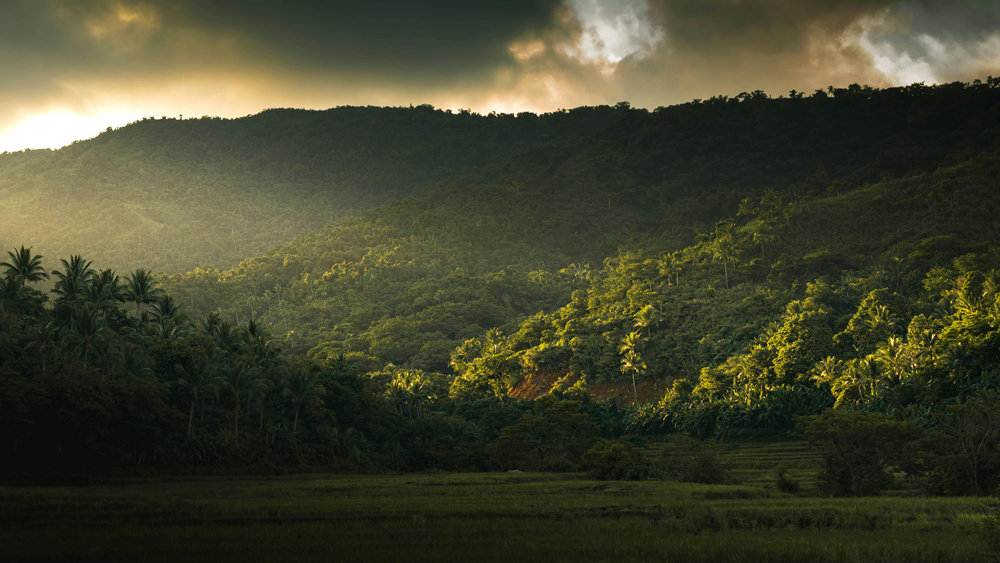
The only way to get there is to be lost. Imagine a shimmering city looming before you. You hear voices calling in the distance. Large buildings reach to the clouds. Sleek cars slip through the streets. The latest tech is woven through the fabric of daily life, and so is the gold. This gleaming city is modern, yet futuristic. Except – you were deep in the forest only a second ago. Welcome to the hidden […]

Inside Biringan, the Philippines’ invisible city Read More »

Field guide to the Finnish tonttu

Field guide to the Finnish tonttu

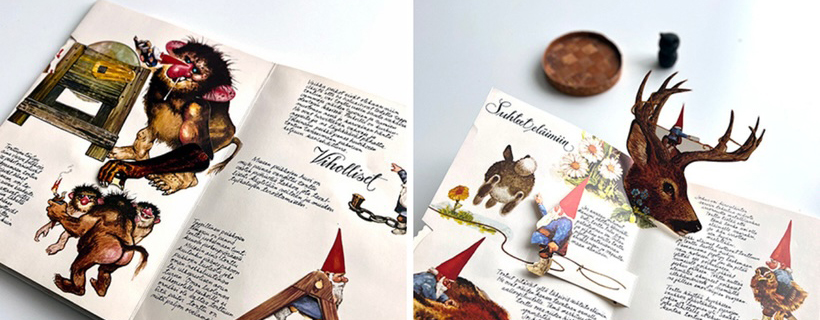
In Finnish mythology, a haltija (plural: haltijat) is a guardian spirit living in a liminal space: nature, homes, even within ourselves. The specific haltija that guards a place is called a tonttu (plural: tontut) – a newer word which comes from the Swedish “tomte.” Like the tomte (and the Norwegian/Danish nisse), a tonttu has a specific look: pointy red cap, long beard if a man, small and elflike in stature. One of my favourite childhood

Field guide to the Finnish tonttu Read More »

Sparks from a fox tail: Aurora borealis folklore in Finland

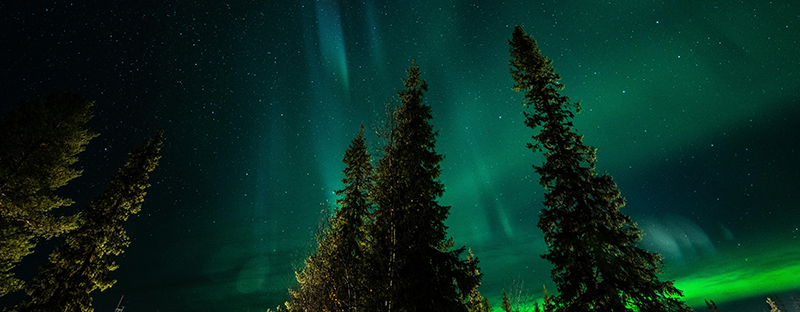
I’ve never been lucky enough to see the Northern Lights, and maybe that’s why I’m so interested in aurora borealis stories from Finnish and Sámi culture. I wanted to share my favourite bits of aurora borealis folklore here – let me know which one is most intriguing to you! Aurora borealis as sparks from a fox’s tail In Finland, the name for the aurora borealis is “revontulet” – fox’s fires. It comes from an ancient

Sparks from a fox tail: Aurora borealis folklore in Finland Read More »

Rune-singers and kantele: ancient memory and magic

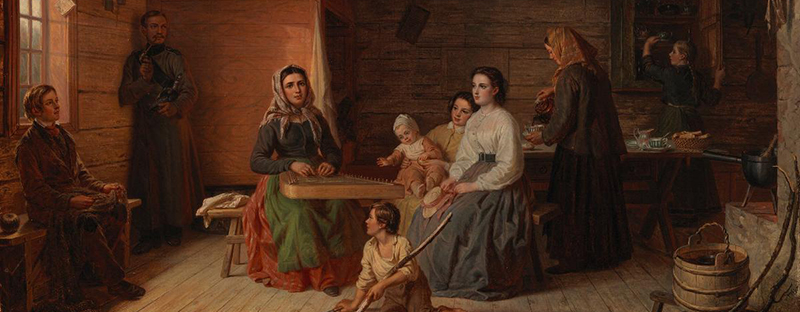
In Finland, runes aren’t what you might think. At least, not in the same way. “Runo” means “poem,” and while the word is borrowed from the Proto-Germanic word, to us it’s different than the Norse futharks1. ⁠ What are “runes” in Finland, Karelia, and Estonia? ⁠Rune-singing/runolaulu is an ancient form of oral folk poetry and storytelling from Finnish, Karelian, and Estonian culture (who are different from Scandinavians). Linguistic research suggests it’s older than the separation

Rune-singers and kantele: ancient memory and magic Read More »

How Filipino food history nurtures my mixed-race identity

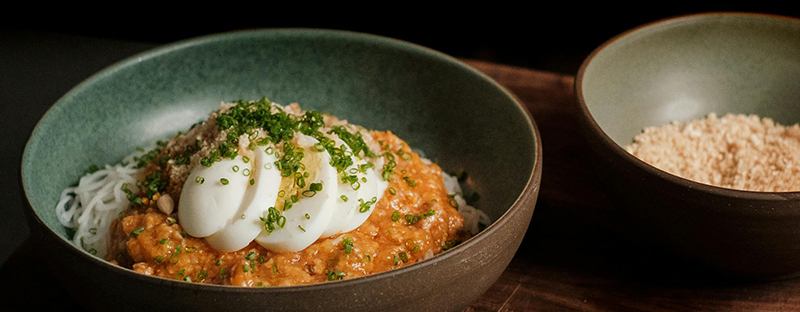
One of my favourite things about Filipino food is all of the outside influences made undeniably Filipino in their interpretation.⁠ I like to use Filipino food in my writing, and it’s become a key part of my mixed-race identity too. The Philippines is made up of many different cultures and languages, and this isn’t meant as a definitive definition of Filipino cuisine. I just wanted to celebrate it. As a mixed-race person, it reminds me

How Filipino food history nurtures my mixed-race identity Read More »

Filipino folklore story in Ginger & Smoke

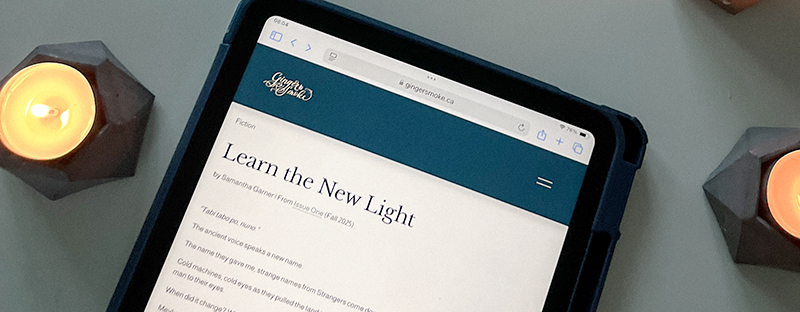
I have a short story in the first edition of Ginger & Smoke! A Filipino-Canadian first, Ginger & Smoke is a genre-blending publication reclaiming Filipino folklore, mythology and fairy tales. It became my dream publication as soon as I saw the call for submissions, and I’m grateful to Nathalie De Los Santos for broadening the scope of Filipino expression. “Learn the New Light” is a science-fantasy story about a nuno sa punso living on a

Filipino folklore story in Ginger & Smoke Read More »

Before Halloween, there was Kekri

Imagine an autumnal fire-crackle, song and stillness after harvest, a pause between worlds when the veil is thinnest. This time of year seems right for that sort of thing, for divination and feasting and weaving the past and future together. ⁠In Finland & Karelia, it was called Kekri. Kekri was a liminal time of harvest and ancestors. It fell at the end of the agricultural harvest, sometime between Michaelmas (September 29) and All Saints’ Day.

Before Halloween, there was Kekri Read More »

Boundary keepers & path shifters: forest spirits in Filipino & Finnish folklore

As a kid, I was taught that certain spirits lived just beyond the edges of the path. In Filipino folklore, the nuno sa punso might curse you for disturbing its mound. In Finnish folklore, a type of haltija called a tonttu could guard your house and required certain behaviour. I grew up saying “tabi tabi po, nuno” in the forest to avoid a nuno’s curse, and I often wondered if my house’s tonttu would ever

Boundary keepers & path shifters: forest spirits in Filipino & Finnish folklore Read More »

The sacred bear spirit in Finnish paganism

The bear spirit in Finnish paganism

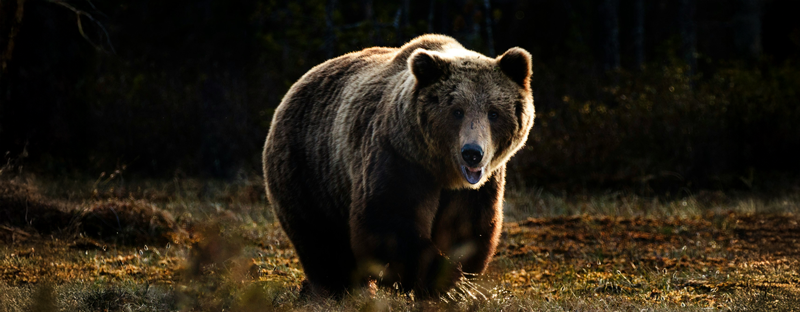
In Finno-Ugric paganism, the bear’s true name was too sacred to speak aloud, lest you attract it. It was replaced with euphemistic, respectful names instead. Finnish euphemisms for “bear” Because speaking the true name of the bear was taboo to ancient Finno-Ugric people, they used terms of endearment and euphemisms like mesikämmen (“honey-paw”,) metsän omena (“apple of the forest”,) and metsän kuningas (“king of the forest”). One common name for the bear in Finnish paganism

The bear spirit in Finnish paganism Read More »

historical inspiration for my fantasy novel: foreign rule in finland & the philippines

Historical inspiration for my fantasy novel: foreign rule in Finland & the Philippines

Why do I write historically-inspired SF/F set in societies that disregard personal autonomy? I admit, when I first noticed it I got a little concerned.⁠ Shouldn’t I be writing about dragons or something lighthearted and fun? ⁠ Then I took a step back and looked at the broad strokes history of my parents’ countries of origin. ⁠ ⁠ 🇫🇮 Finland: Under Swedish rule for hundreds of years, then ceded to Russia until full & formal

Historical inspiration for my fantasy novel: foreign rule in Finland & the Philippines Read More »

Scroll to Top